
Blog

DTF vs. Other Transfers for Small Businesses: Choose The Best Method
Direct-to-Film (DTF) printing is a highly flexible and scalable solution for small apparel businesses. It works on all fabric types, including cotton, polyester, blends, and performance wear, without requiring pretreatment, cutting, or weeding.
Table of Contents
ToggleWhy DTF is Ideal for Small Businesses:
- Material Compatibility: Prints on nearly any fabric, unlike sublimation or DTG, which have limitations.
- Time & Labor Efficiency: Eliminates time-consuming prep steps typically required for HTV or DTG.
- Cost-Effectiveness: Offers low per-print costs at scale, especially when using gang sheets.
- Consistent Results: Delivers durable, stretch-resistant prints with a high-quality finish.
DTF's balance of speed, quality, and low barriers to entry makes it one of the most practical and future-proof printing solutions for growing apparel businesses.
What is DTF Printing?
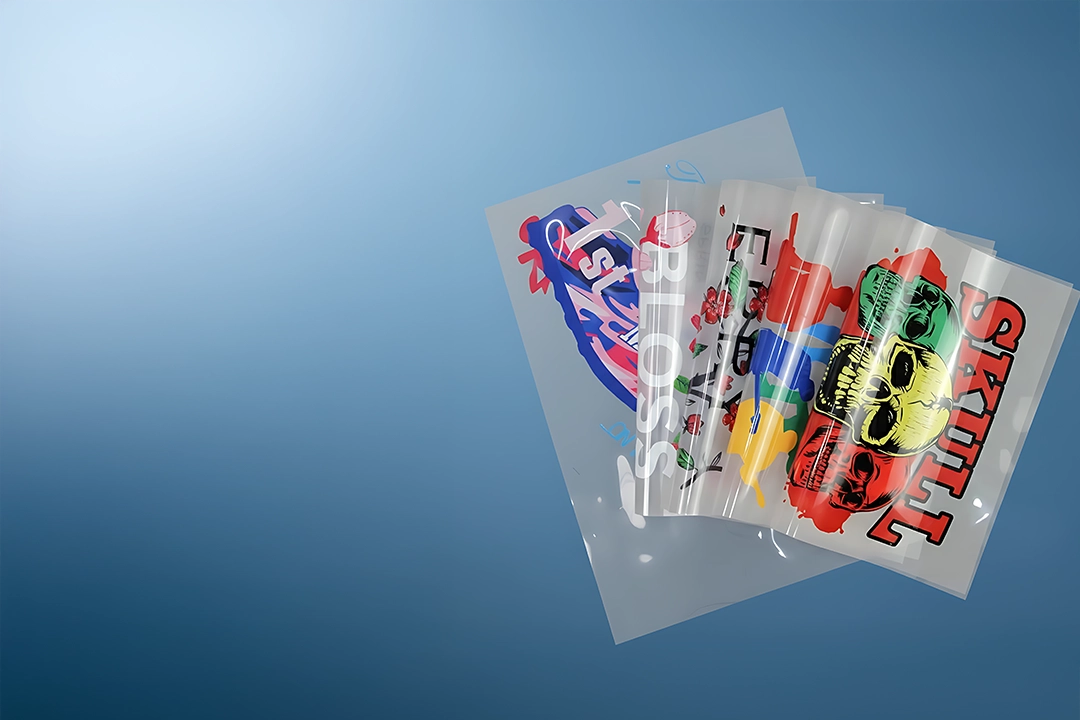
Direct-to-Film (DTF) printing involves printing your design onto PET film using specialized DTF ink, applying adhesive powder, and then heat-pressing it onto garments. Unlike other methods, DTF requires no pretreatment and works on nearly all fabrics, including cotton, polyester, blends, and even performance wear.
Key Features:
- Works on light and dark fabrics
- No weeding or cutting like HTV
- No fabric limitations like sublimation
- Durable, flexible, and stretch-resistant
- Supports high-volume production via gang sheets
DTF vs. Other Transfer Methods for Small Businesses (Comparison Table)
Criteria | DTF Printing | DTG Printing | HTV | Sublimation | Plastisol Transfers |
Material Compatibility | All fabrics (cotton, poly, blends) | 100% cotton preferred | All fabrics | Polyester/light surfaces only | Cotton, poly, blends |
Color Richness | Vibrant, full-color | Excellent, photo-quality | Limited by vinyl color | Vivid on poly only | Vivid with proper setup |
Durability | High (wash- and stretch-resistant) | Medium (depends on pretreat) | High (peels with time) | High on polyester | High with quality application |
Setup Time | Quick, no weeding/pretreat | Longer (pretreat + curing) | Manual cutting & weeding | Fast, but printer-dependent | Requires screens or transfer film |
Ease of Use | Beginner-friendly | Requires maintenance | Simple but labor-intensive | Moderate | Requires heat + alignment skill |
Order Size Flexibility | Ideal for bulk & small runs | Best for small runs | Best for small/one-offs | Best for bulk | Great for batch production |
Startup Cost | Medium (printer + film) | High (pretreat, printer) | Low (Cricut + vinyl) | Medium (sublimation printer) | Medium |
Why DTF Fits Small Business Needs
Whether you run a side hustle from your garage or a growing Etsy shop, DTF delivers scalable quality with a low learning curve. Here's what makes it ideal:
✅ No Fabric Limitations: You can print on cotton hoodies, polyester jerseys, tote bags, or even denim jackets, something HTV, DTG, and sublimation struggle with.
✅ Time Efficiency: Unlike HTV, there's no need to cut or weed designs. Unlike DTG, there's no pretreatment mess. Once your gang sheet is ready, press and go.
✅ Lower Print Costs at Scale: When printing gang sheets (e.g., 22” x 60” format), cost-per-design drops significantly. Small shops using Cricut or HTV often save time and money by switching to DTF for mid- to high-volume orders.
✅ Consistent Results: You can test your design's durability before application. At DAB DTF, we perform flex & peel tests on our film. If it doesn't stretch and hold, we don't print it.
Real-World Applications
- Custom Merch Drops: Full-color prints on limited-edition tees, no screen setup required.
- Corporate Uniforms: Durable logos on polyester polos.
- Teamwear & Sports: Numbers and names across jerseys with no color limits.
- Print-on-Demand Shops: Faster order fulfillment with ready-to-press gang sheets.
When to Choose Other Methods
While DTF is highly flexible, here are cases where other options may work better:
- DTG: If soft-hand feel is critical (e.g., art tees), DTG on 100% cotton may offer more comfort.
- HTV: For textured effects (such as glitter vinyl), HTV remains a niche option.
- Sublimation: For polyester performance shirts where breathability is key, sublimation integrates the design into the fabric itself.
- Plastisol: For bulk screen-printed looks with long shelf life, plastisol transfers remain a reliable option, especially for legacy screen printers.
FAQs About DTF vs. Other Transfers for Small Businesses
Is DTF good for hoodies and sweatshirts?
Yes. DTF transfers adhere well to fleece and heavier cotton, especially with hot peel film.
Is it cost-effective to print one shirt?
Yes, especially with pre-made gang sheets or stock transfers.
Do customers care about the hand feel?
For most consumers, the design quality and durability matter more than slight texture differences. For fashion-focused brands, test DTF vs DTG side by side.
Can I use a Cricut heat press for DTF?
It’s possible, but a clamshell heat press with adjustable pressure delivers better and more consistent results.
Final Thoughts: Is DTF the Future?
DTF has evolved from a niche technology to a mainstream solution, rapidly replacing outdated methods such as HTV and low-volume DTG setups. With its balance of quality, flexibility, and affordability, it's an ideal choice for small businesses looking to scale.
Pro Tip from DAB DTF Transfer Center: Start with a reliable DTF provider, like DAB DTF Print Center, to get OEKO-TEX-certified inks, crisp image resolution, and responsive support, whether you order one sheet or 100.


